The image could not load. Its caption and source remain available.
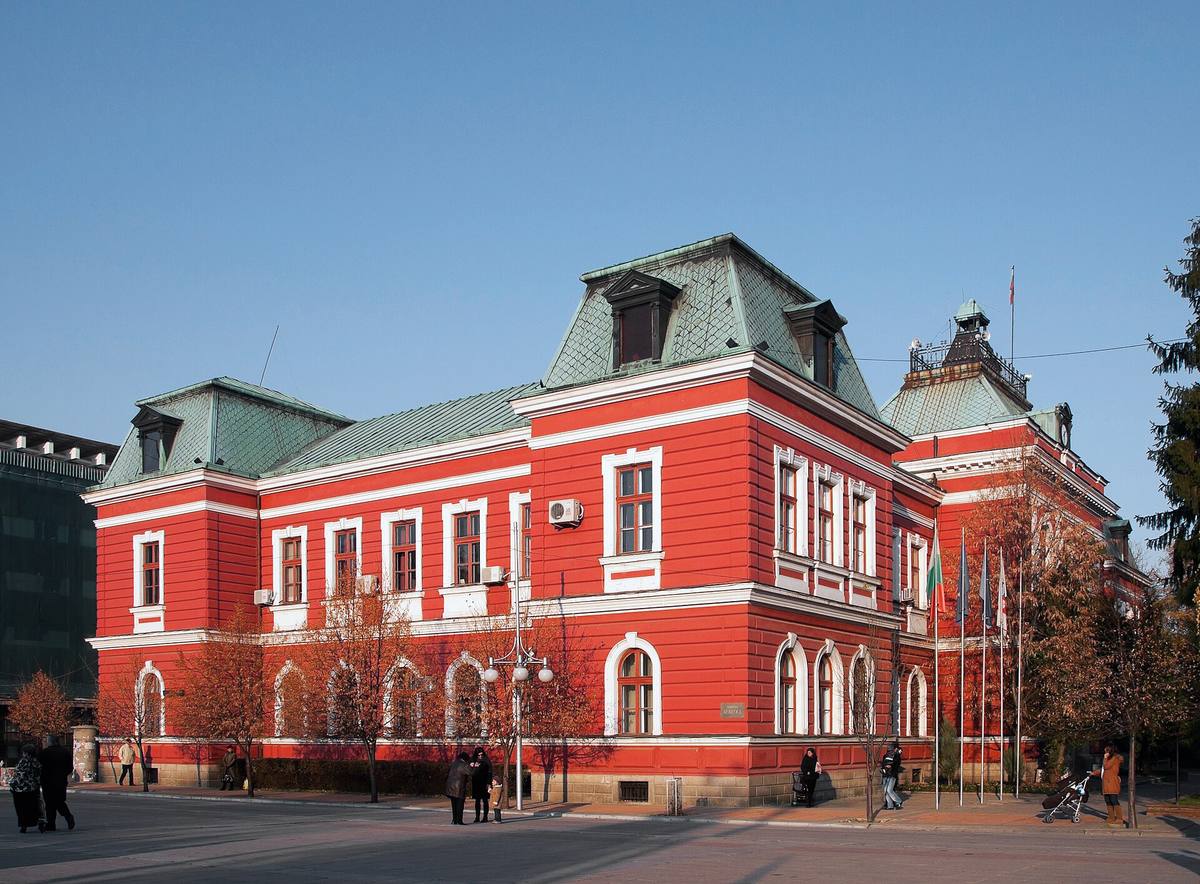
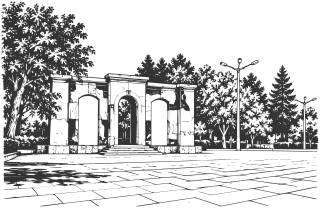
The west façade. The building was designed by the architect Friedrich Grünanger.Photographed: . A dated photograph does not establish the current condition.Photo: MrPanyGoff, 2011 · CC BY-SA 3.0 · Wikimedia Commons
The houses and buildings that tell the town’s modern history: the Liberation, the school, the painter Maystora, and the rescue of Bulgaria’s Jews in 1943.
Kyustendil was liberated in January 1878. Ilyo Voyvoda’s band entered the town together with Russian units, and the Russian detachment set up its headquarters in the Emfiedzhieva House, built in 1874. Ilyo Voyvoda lived in Kyustendil until his death in 1898; his house now holds the exhibition on the struggle to free the Kyustendil region.
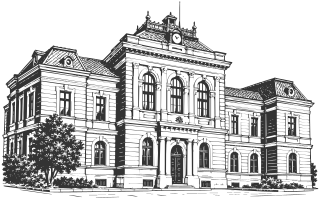
The red building with the clock on Velbazhd Square was built in 1889-1894 as the Pedagogical School, Kyustendil’s “alma mater.” Today it houses the town hall, and the clock’s bell, cast in 1429, still rings every hour. Nearby, the Vladimir Dimitrov-Maystora Art Gallery holds the largest collection of the painter’s work, more than 1,500 pieces.
The Dimitar Peshev House Museum is the only museum in Bulgaria devoted to the rescue of the Bulgarian Jews. In March 1943 four men from Kyustendil traveled to Sofia to stop the deportation of their fellow townspeople, and Dimitar Peshev, deputy speaker of the National Assembly, backed them and organized a protest letter with 43 parliamentary signatures.
The mutual school, Bratstvo 1869 Chitalishte, and the Regional History Museum trace education and the collection of antiquities. The museum’s exhibition hall occupies the former Ahmed Bey Mosque beside the Roman Thermae. Old town houses, the square, and the Iron Bridge add to a walk through the center. In Shishkovtsi, Maystora’s house museum tells the story of the village and the people who appear in his paintings.
Sights in this chapter
Find a sight to visit
Sights found: 14
No sights match these conditions.
Check the spelling, try part of the name, or remove a filter.
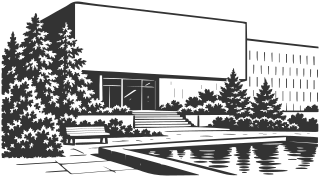
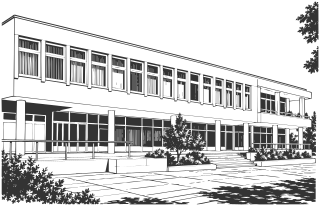
The gallery bears the name of Vladimir Dimitrov-Maystora (1882-1960), the painter of the Kyustendil region and its people. It holds his largest collection, more than 1,500 works. The 1972 building is, in the gallery’s own words, the first in Bulgaria built specifically as an art gallery, and beneath it lies the fortress wall of Roman Pautalia.
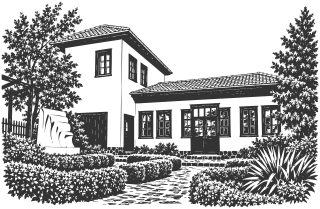
A Revival-era house from 1874 in the old Lozenets quarter, at the foot of Hisarlaka. In January 1878 it housed the headquarters of the Russian detachment that freed Kyustendil, and today it holds the exhibition on town life in the late 19th and early 20th centuries. It was renovated in 2025-2026 under a European project.
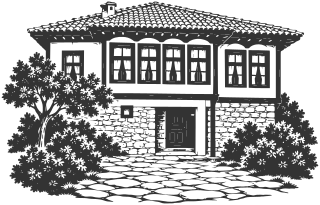
The house where Ilyo Voyvoda lived from 1878 until his death in 1898: the hajduk from Maleshevo, the legionary of Rakovski, and the leader of the band that entered Kyustendil together with Russian units on January 11, 1878. Today it holds the exhibition on the region’s struggle for liberation.
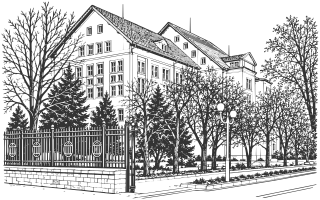
The only museum in Bulgaria devoted to the rescue of the Bulgarian Jews. In March 1943 four men from Kyustendil went to Sofia to stop the deportation of their fellow citizens, and the deputy speaker of Parliament, Dimitar Peshev, took up their cause and organized a protest letter with 43 parliamentary signatures. The house is an exact copy of his family home.
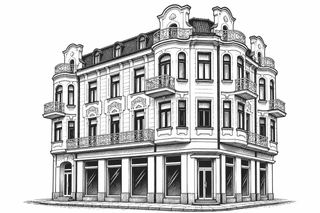
The red building with the clock on Velbazhd Square was built in 1889-1894 as the Pedagogical School, Kyustendil’s “alma mater.” It went on to serve as the Army’s General Headquarters in World War I and as Bulgaria’s first court palace, and today it is the Town Hall. The clock’s bell was cast in 1429 and still strikes every hour.
The bridge over the Banshtitsa on Bulgaria Boulevard was built in 1909 to a design by the architect Rudolf Fischer, to link the town center with the new railway station. In 1969 it was rebuilt in reinforced concrete and given four nude female figures in white Vratsa stone by the sculptor Lyuben Dimitrov. That is why locals also call it "the Bridge with the Naked Women."
The museum was founded on November 3, 1897, as a school collection at the Kyustendil Pedagogical School, which the museum itself calls the first museum collection in southwestern Bulgaria. Its main building is at 55 Bulgaria Blvd. There, in Asclepius Hall, are the archaeological and coin exhibitions, covering the 7th-6th millennium BC to the 17th century.
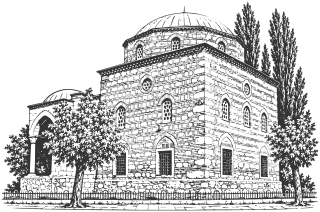
An exhibition hall of the Regional History Museum in the former Ahmed Bey Mosque, right beside the Roman Thermae. It has housed a museum since 1944. The building has a wide dome and an entrance arcade under three small domes. The Ottomanist Machiel Kiel dates it to 1575-1577, while local sources say the mid-15th century.
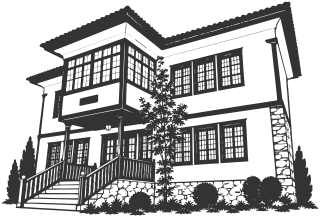
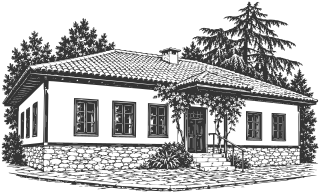
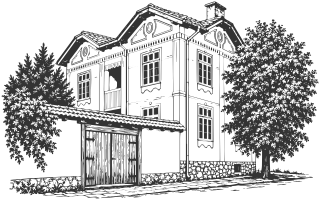
The Regional History Museum calls it the oldest surviving National Revival town house in Kyustendil, from the late 18th century. It was built for the chorbadzhi Davidko, a merchant who had moved from Sofia. It is L-shaped, with an outside staircase, a chardak (open gallery), and carved ceilings by masters from Debar, and in the 1870s its east wing housed the town's Hellenic school.
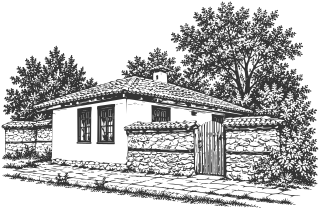
The low white house at 2 Georgi Goranov Street is the birthplace of the composer Georgi Goranov (1882-1905), who wrote the music of "Druzhna Pesen," also known as the "Song of Labor." It was restored in the 1980s and holds a small museum collection.
The low building in the churchyard of the Church of the Assumption is Kyustendil's mutual school, built in 1849. Locals call it the Cell School (Kiliynoto uchilishte), although the earlier church school from the early 1820s was pulled down. The town's chitalishte was founded here in 1869, and today the hall with its painted ceiling opens for exhibitions and book launches.
Kyustendil's chitalishte, its reading room and cultural center, was founded on July 1, 1869, in the mutual-school building. The town library, the theater, and the town's second museum collection all grew out of it. Its large building on the square, opened in 1907, was torn down in 1981; today Bratstvo 1869 works in a building north of Velbazhd Square and hosts an international classical guitar competition.
Kyustendil's central square, about 110 by 50 m, was designed by the architect Hristo Kovachevski. Beneath it runs the main street of Roman Pautalia, today an archaeological monument of national importance. This was the southern edge of the Ottoman center, and it is where the town gathers for Kyustendil Spring and on August 15, for the blessing of the waters on the feast of the Dormition.
Museums and buildings · Shishkovtsi · Kyustendil Municipality outside town
The house museum in Shishkovtsi tells the story of the people and places that entered Vladimir Dimitrov-Maystora’s paintings. Its photographic and documentary exhibition is maintained by the Kyustendil art gallery.
Photos from Wikimedia Commons. Their authors and licenses are listed on each sight’s page.
Drawings are illustrations for orientation; photographs document the sights at the stated date. Drawing credits and reuse terms are listed on the About page.