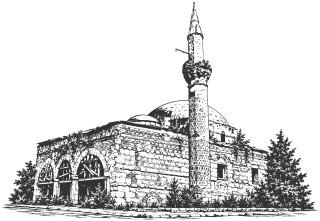
The Middle Ages, the National Revival, and the 20th century meet in three of the town’s churches. The chapter also includes other churches, the Fatih Mehmed Mosque, and monasteries across the province.
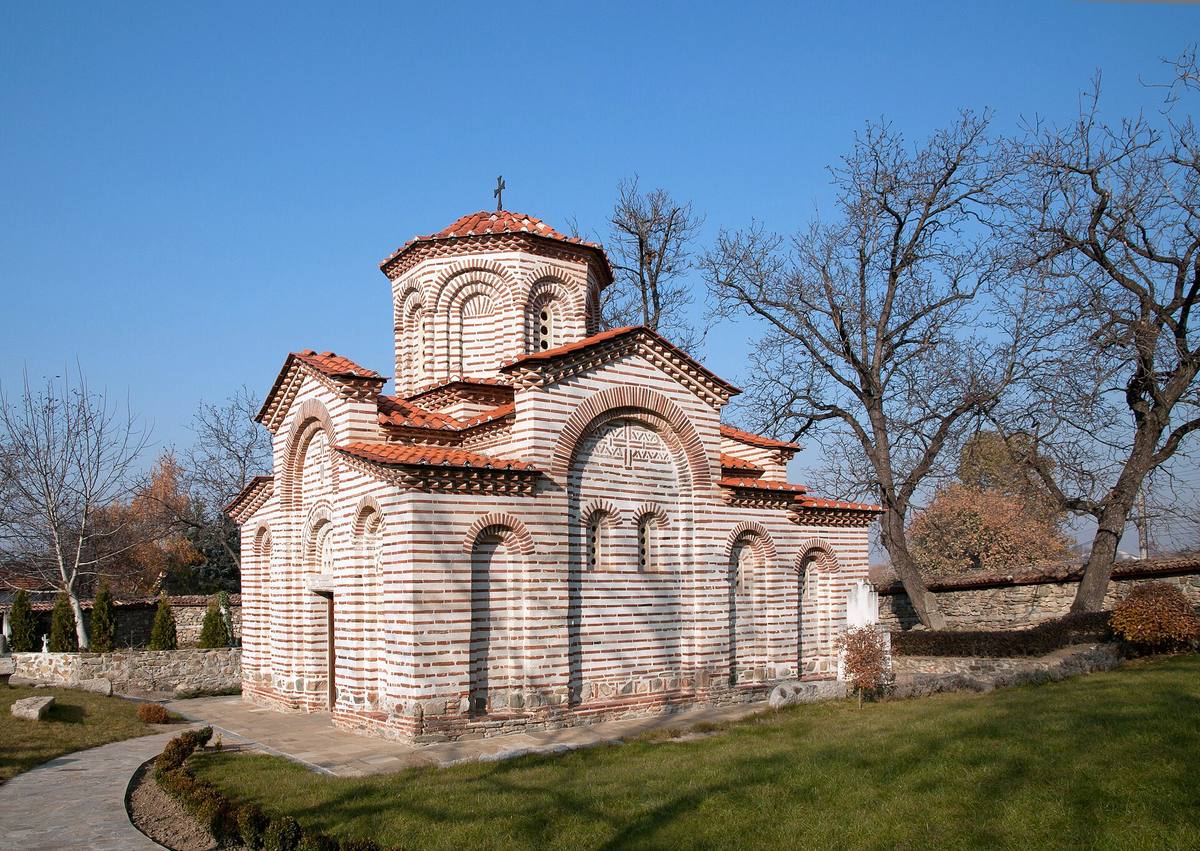
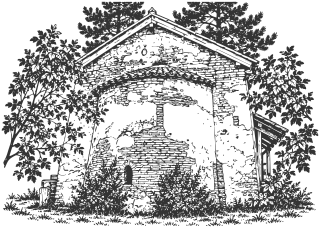
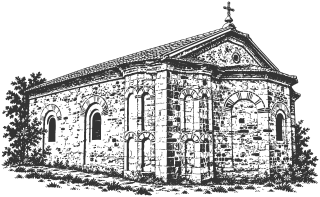
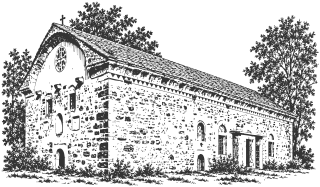
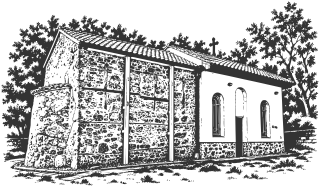
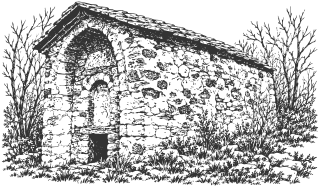
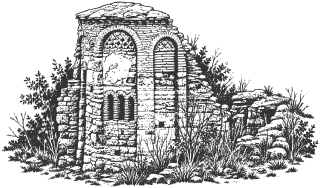
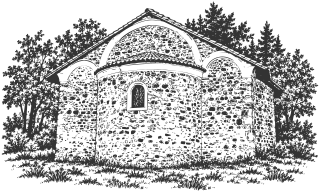
The museum dates St. George in the Kolusha quarter to the 11th-12th centuries, although its dating is disputed. It is a small cross-in-square church that keeps five layers of wall paintings and more than two hundred graffiti scratched by visitors over the centuries. Kyustendil’s most persistent tradition belongs to it too: that Tsar Mihail III Shishman, killed at the Battle of Velbazhd in 1330, is buried here.
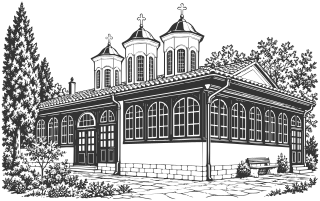
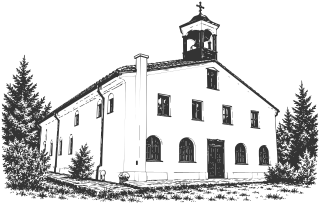
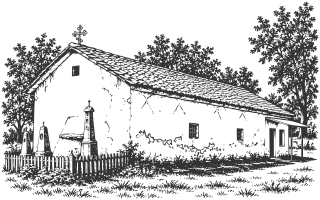
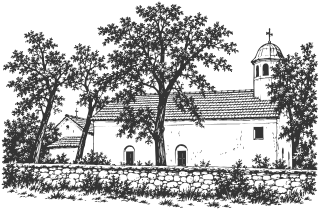
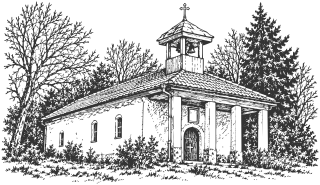
The Church of the Assumption, from 1816, is the town’s first church of the National Revival, associated by local church tradition with an older St. Nicholas church. From the outside it looks modest, because it is sunk about 3 m into the ground. For many years it was the town’s cathedral.
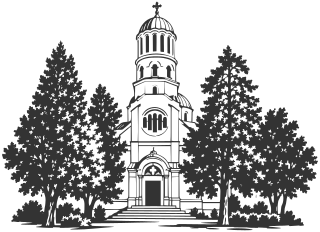
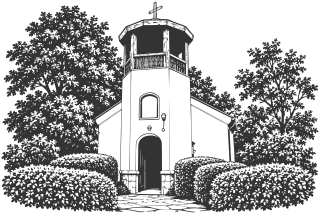
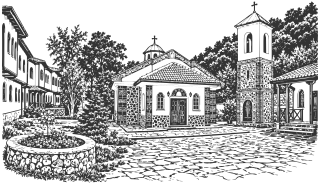
St. Mina, built in 1926-1933 and consecrated in 1934, is the largest church in town by area. The neo-Byzantine memorial church is said to be a smaller version of the Alexander Nevsky Cathedral in Sofia.
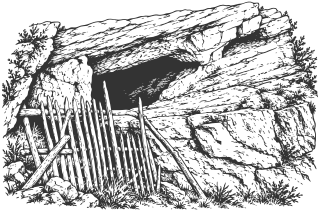
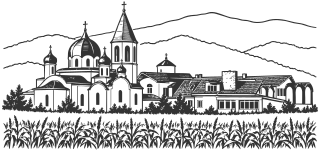
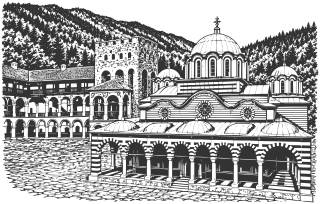
Outside town, small churches preserve different building and painting phases, while monasteries combine architecture with active religious life. Rila Monastery, Ruen Monastery, and the cave near Garbino are associated with the veneration of St. John of Rila. Individual descriptions distinguish medieval remains, modern buildings, and local traditions.
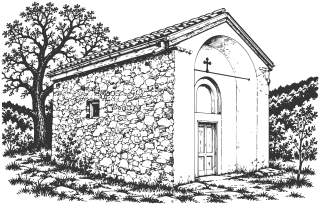
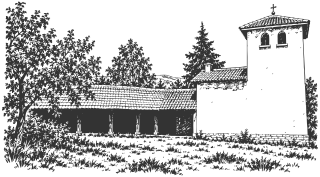
St. Demetrius at Boboshevo Monastery preserves paintings from 1488, while the donor inscription at Vukovo’s St. Petka dates its wall paintings to 1598. Nearby St. Nicholas has a separate dating based on its paintings. At Granitsa, St. Elijah combines National Revival architecture, icons by Ivan Dospevski, and later wall paintings.
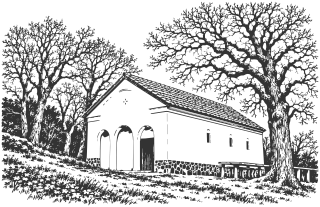
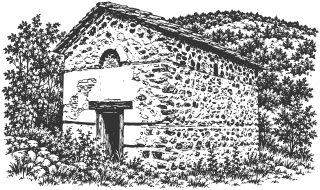
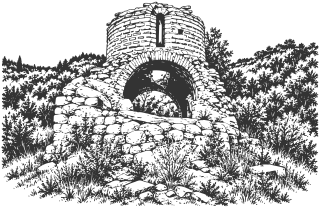
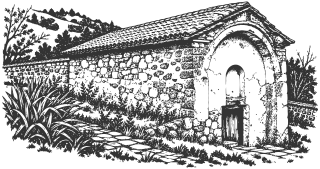
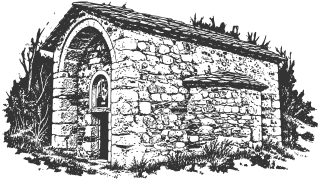
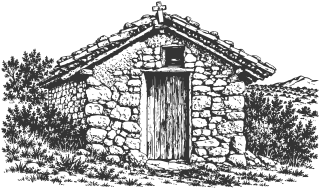
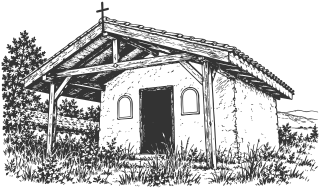
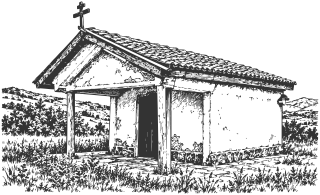
At Marvodol, the remains of Sts. Cosmas and Damian reveal a cruciform plan, while Holy Trinity in Pastuh has three conches. The small St. Spas Chapel near Vukovo is covered separately from the old village churches; their dates have not been assigned to it.
Around Boboshevo, St. Archangel Michael and Dormition chapels are separate places on the Ruen slopes. Catalog accounts connect them with older churches but do not establish exact construction years for today’s buildings.
At Treklyano, the Church of the Dormition, built in 1860, raises the question of its relationship to an older monastery whose precise site is unknown. Kocherinovo Municipality dates Holy Trinity in Frolosh to 1876; its detailed artistic history still requires clarification.
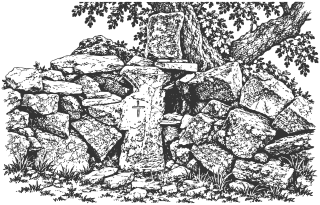
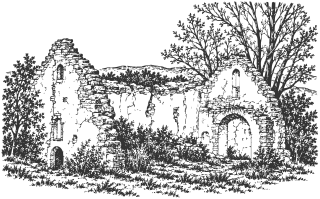
Near Vaksevo, St. Nedelya survives as low foundations beside the Eleshnitsa. The old Church of the Dormition outside Razhdavitsa retains painting fragments and has a disputed construction date. At Tavalichevo, the Mother of God votive site has a stone cross and is separate from the monastery remains at Manastiro.
At Korkina, the old and new St. Nicholas churches stand beside each other in the upper quarter. In present-day Dragovishtitsa, Yamborano’s Church of the Dormition of 1859 is separate from the older namesake at Perivol; the account distinguishes building dates and artistic attributions.