62Places of worship · Granitsa
St. Elijah Church
1856-1857; wall paintings from 1896
Dating stated in the sources: 1857
Your visit at a glance
- Address
- Central Granitsa, near the school
- Suggested time; scope not confirmed
- about 45 minutes
- Opening hours
- No verified information found
- Admission
- No verified information found
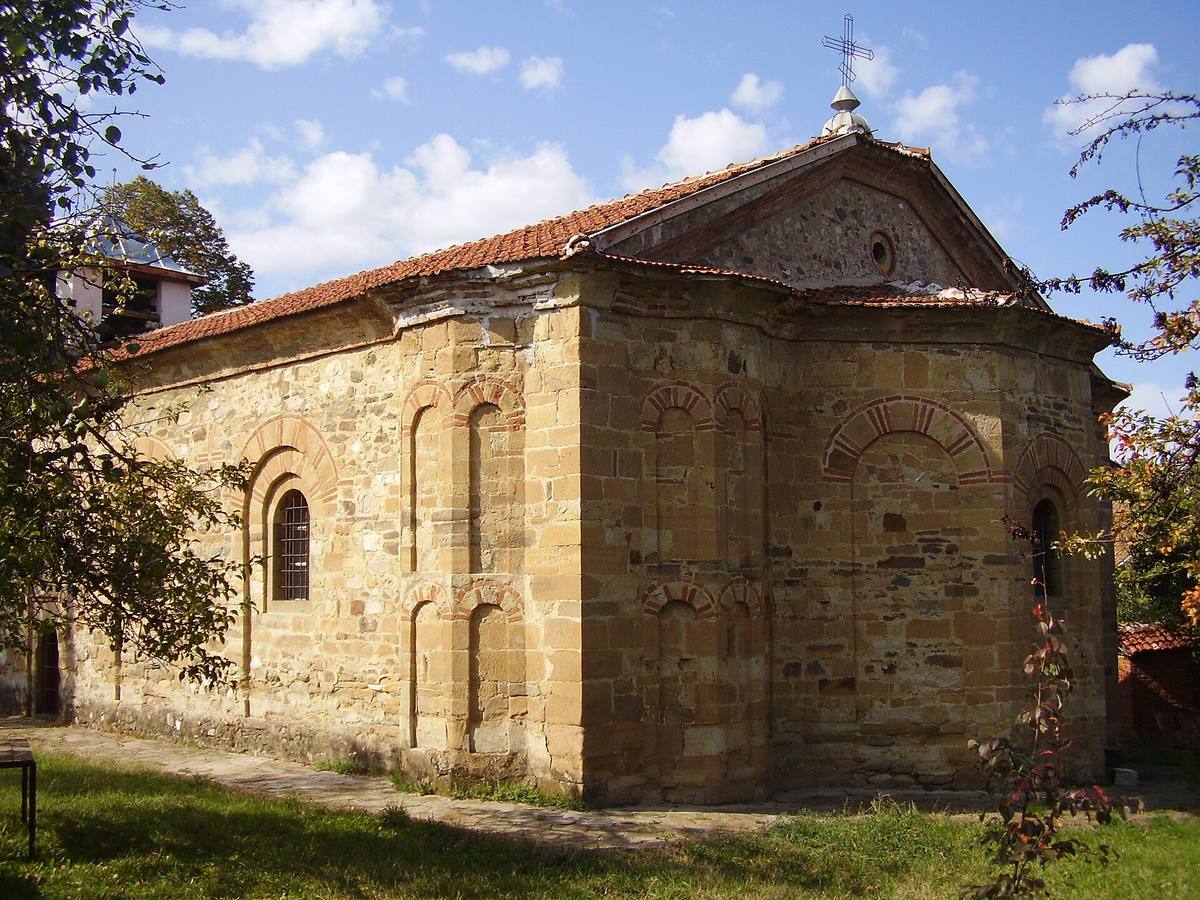
The image could not load. Its caption and source remain available.

The National Revival church in central Granitsa brings together stone architecture from 1856-1857, icons by Ivan Dospevski, and later wall paintings. It is a separate church from St. Luke’s Monastery above the village.
Hours, admission, and directions ↓
St. Elijah is the village church in central Granitsa, near the school. Its stone walls, brick arches, and three apses reward a walk around the exterior. The interior preserves several stages of decoration, which should be distinguished by artist and date.
Master Milenko and the building
↗The generally cited construction period is 1856-1857. The church is associated with master builder Milenko Velev, also known for his work on the south wing of Rila Monastery. In his study of the church at Topolnitsa, Vladimir Dimitrov discusses comparable architectural features and reports Asen Vasiliev’s attribution of the Granitsa church of 1857. This places the building within a broader group of National Revival projects and helps explain its architectural context. [2]
The church has three aisles and three apses at the east end. A common roof brings the aisles together into a single volume, while shallow lateral conches, or semicircular recesses, articulate the facades. Stone and red brick are visible elements of the architectural composition. As you walk around the building, notice how the brick arches emphasize the windows and how the east end differs from the long side walls.
The narthex and bell tower were added in the first half of the 20th century. The present silhouette therefore incorporates a later stage of construction.
Ivan Dospevski’s icons
↗Desislava Strahilova includes St. Elijah at Granitsa among twelve churches in the Kyustendil region for which Ivan Dospevski worked. Her 2007 article “Tradition and Innovation” dates the Granitsa commission to 1862-1863. Dospevski belonged to the third generation of painters from the Samokov school. [1]
Strahilova draws attention to his blue backgrounds and individualized faces. These observations offer a useful starting point for looking at the principal tier, the row of large icons in the lower part of the iconostasis. They concern the artist’s work as a whole and should not be used to attribute every painting in the church to him.
The iconostasis itself combines painted decoration with carved doors and a carved crest. The church description also records vases of roses painted on its ocher panels. The decoration reflects the tastes of the period as well as the religious purpose of the images.
The later wall paintings
↗The wall paintings are dated to 1896, several decades after Dospevski’s icons. The gallery photographs show the Entry into Jerusalem, St. George and St. Demetrius on horseback, and the Last Supper. Some areas have lost paint and plaster. The photographs record conditions when they were taken; they do not provide a confirmed assessment of conservation today.
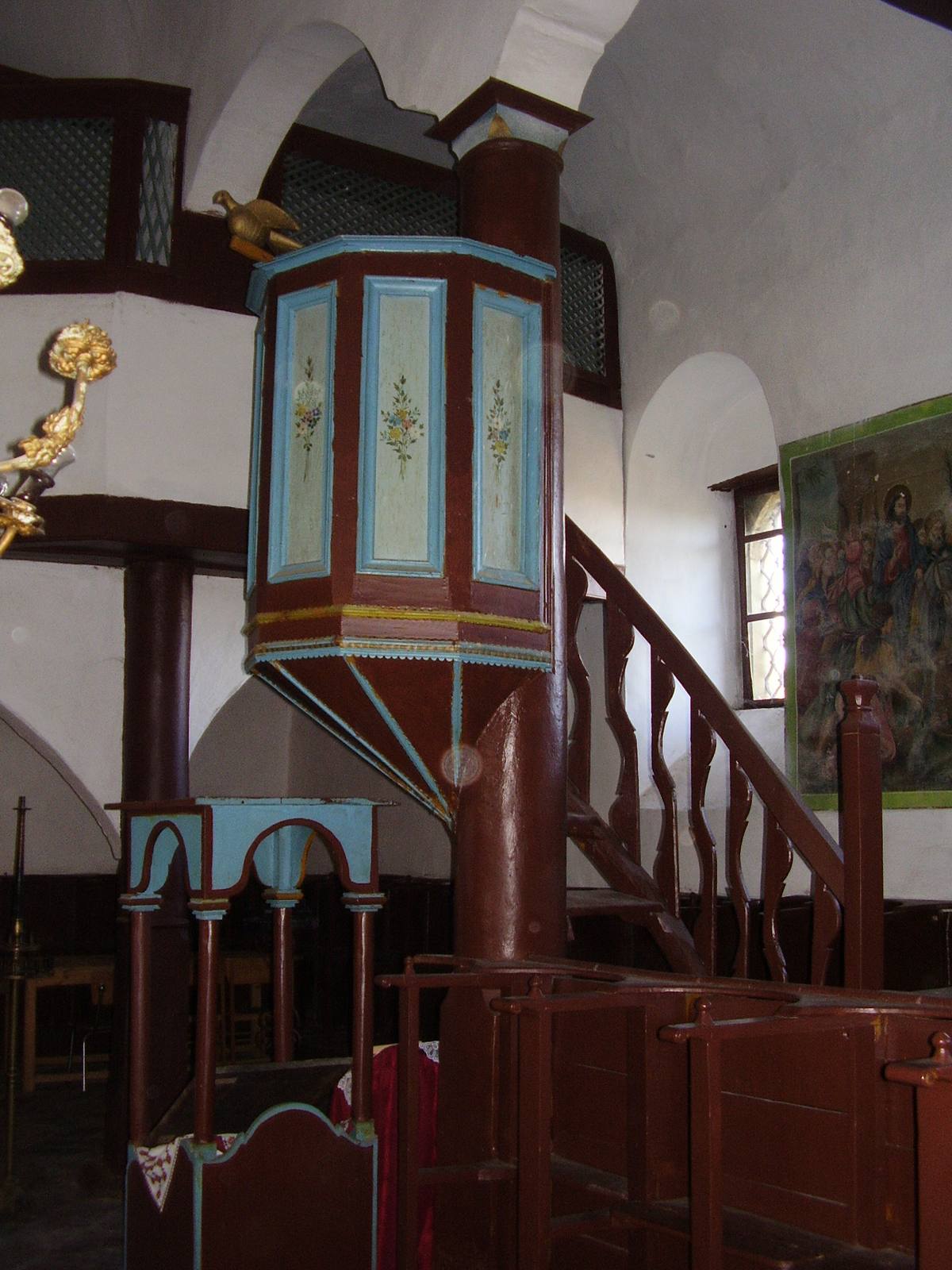
The wooden pulpit is another interior detail. Raised beside a pillar and reached by stairs, it is decorated with colored panels. It helps explain how the church space works and the different roles played by architecture, carved wood, and painting.
Visiting Granitsa
↗Start from the village center for an exterior visit. Ask locally about entering the church if you want to see the icons and wall paintings. No published opening schedule or admission tariff was found. Allow around 45 minutes if the church is open.
You can combine the visit with Granichki Monastery of St. Luke and the old beech woodland. The monastery and woodland are outside the village center; they are separate sites from St. Elijah’s churchyard.
Photos and related images
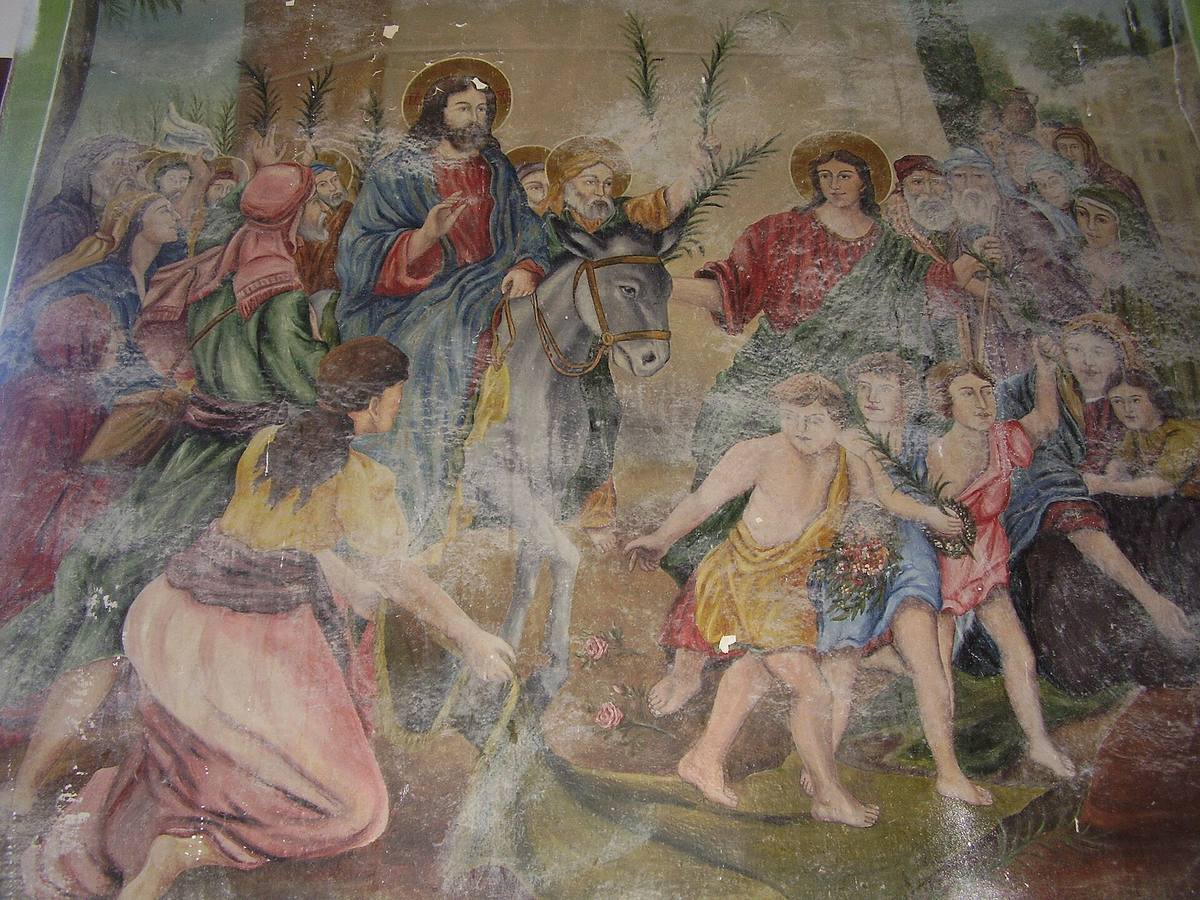
The image could not load. Its caption and source remain available.

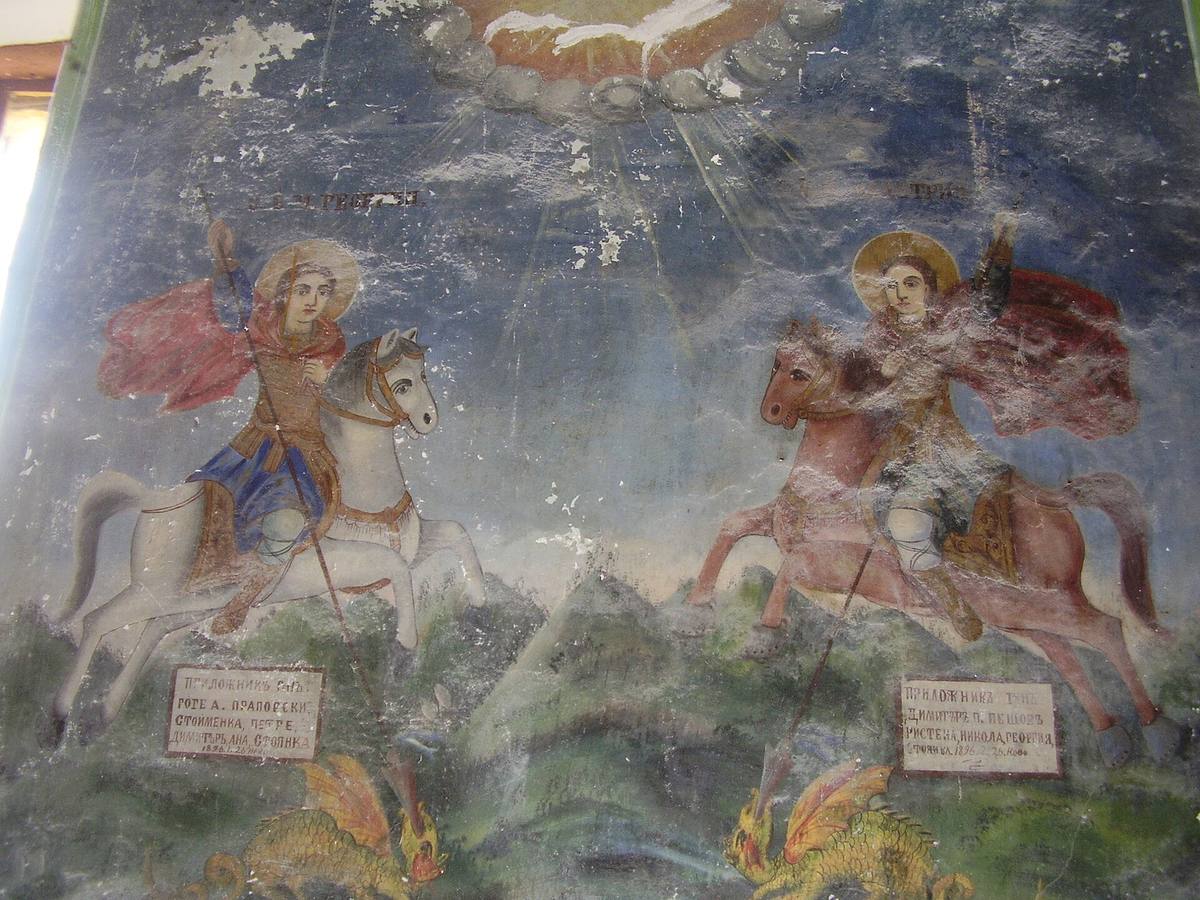
The image could not load. Its caption and source remain available.

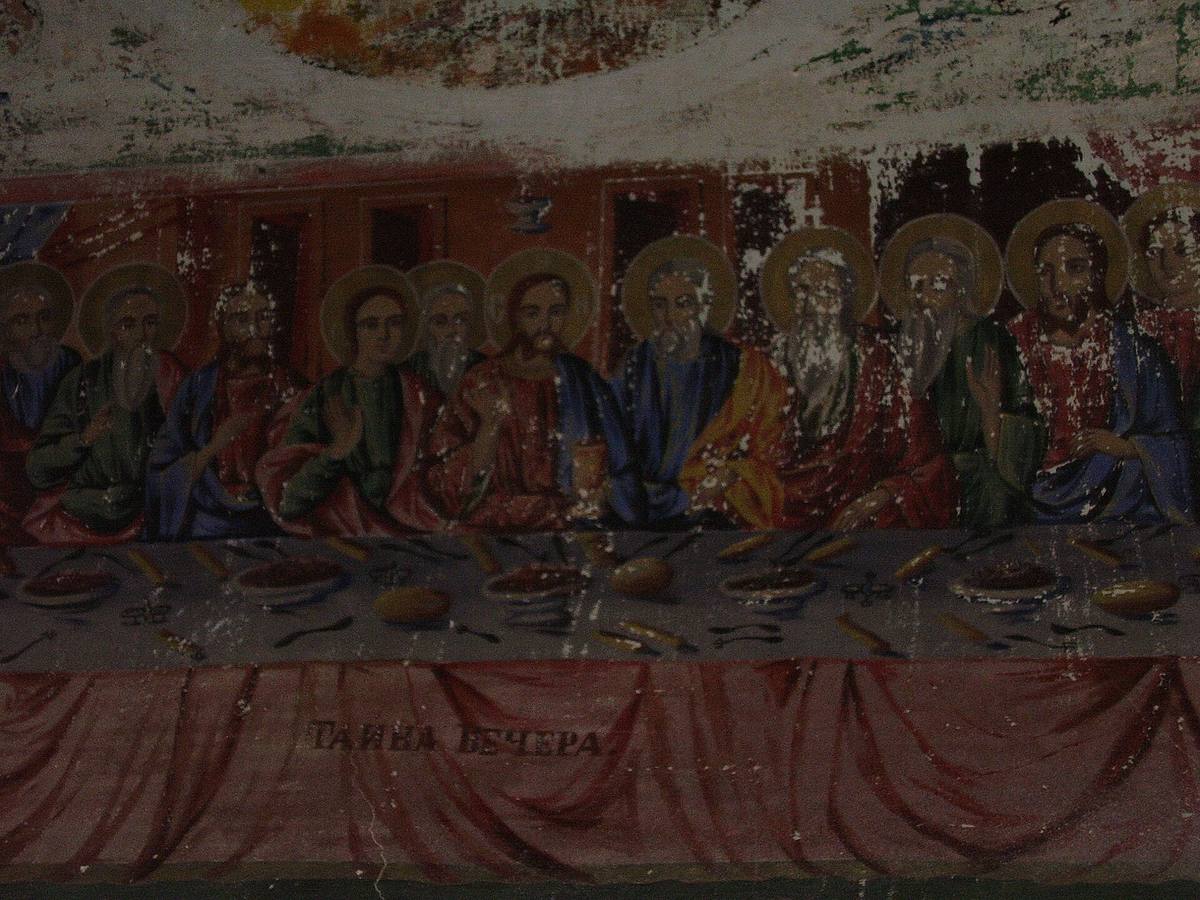
The image could not load. Its caption and source remain available.

The image could not load. Its caption and source remain available.

Sources
(4)
A date may refer to construction, renewal, or another stated stage. Legends are accounts recorded in sources, rather than established events. Bibliography links help locate the named author; no automatic reference is added where the match is ambiguous.
- Десислава Страхилова. Традиция и новаторство в творчеството на третото поколение потомствени самоковски зографи, LiterNet 4 (89), 16.04.2007Online source · Bulgarian · liternet.bg↑1
Source address
https://liternet.bg/publish20/d_strahilova/tradiciia.htm
If a link does not open, use its title, author, and address to search, or consult another listed source.
- Владимир Димитров. Храмът „Св. Никола“ в село Тополница, Дупнишко: архитектурно-конструктивна характеристика, с. 289 (за Граница)PDF document · Bulgarian · eprints.nbu.bg↑1
Source address
https://eprints.nbu.bg/1616/1/Hrama_Sveti_Nikola_v_selo_Topolnicha.pdf
If a link does not open, use its title, author, and address to search, or consult another listed source.
- Свети Илия (Граница), УикипедияEncyclopedia article · Bulgarian · bg.wikipedia.org
Source address
https://bg.wikipedia.org/wiki/Свети_Илия_(Граница)
If a link does not open, use its title, author, and address to search, or consult another listed source.
- OpenStreetMap: way/1338670434Map record · Language not specified · openstreetmap.org
Source address
https://www.openstreetmap.org/way/1338670434
If a link does not open, use its title, author, and address to search, or consult another listed source.