Chapter IISights

Mineral water

Go to the sights (6) ↓

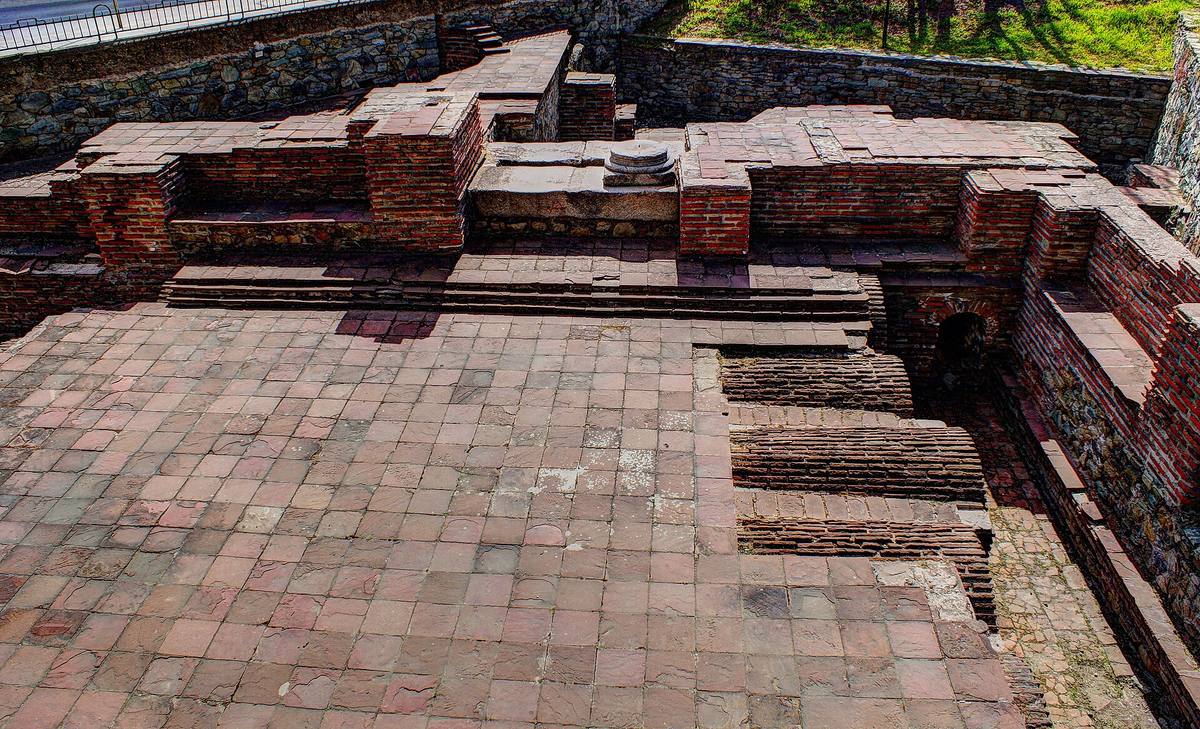
The uncovered part of the baths: floors of brick tiles and stepped brick wallsEnlarge photo
Parts of six rooms have been uncovered, over about 1,000 m².Photographed: . A dated photograph does not establish the current condition.Photo: Gitanes232, 2026 · CC0 · Wikimedia Commons

About forty hot springs and more than 1,800 years of bathing in one place: from the Roman thermae to the bath that is still open today.

The town grew up around its hot springs. There are about forty of them, and at the source the water is about 74 °C, among the hottest in the country. Ottoman documents call Kyustendil simply Ilıca, “hot spring.”

The Roman Thermae, Dervish Bath, and Chifte Bath stand less than 300 m apart and span more than 1,800 years. The Roman Thermae of Pautalia were built around the middle of the 2nd century; under today’s streets you can see their underfloor heating and walls of alternating bands of stone and brick. The Dervish Bath dates from 1566, a year spelled out in red bricks on its front, and it worked for more than 400 years, until 1992. The Chifte Bath was built in 1910-1913 on the site of an Ottoman double bath from the late 15th century.

If you want to bathe in Kyustendil’s mineral water, go to the Chifte Bath. It is still open, with separate sections for men and women, each with three pools.

The Alay Bath adds to the town’s bathing history. Outside Kyustendil, Sapareva Banya’s geyser fountain and the borehole near Chetirtsi represent different mineral-water sources. Verified visiting arrangements are given on each site’s page.

Sights in this chapter

Find a sight to visit

Sights found: 6

    1. Kyustendil town

    2. 03 Roman Thermae

      Mineral water · Kyustendil town

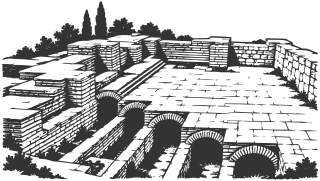
      The ruins of the great public baths of Roman Pautalia, built around the middle of the 2nd century and still in use in the 3rd. Below today’s streets you can see parts of six rooms, with two kinds of underfloor heating and walls of alternating stone and brick. The town grew up because of its hot springs, and the baths are their finest monument.

      Read about this sight →Show on map

    3. 06 Chifte Bath

      Mineral water · Kyustendil town

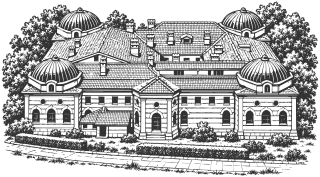
      Kyustendil’s town mineral bath, built in 1910-1913 on the site of a late-15th-century Ottoman double bath. It still works today: separate sections for men and women, each with three pools of hot mineral water that is cooled the old way, with a tank and gravity. Around it lies the Bath Garden.

      • Approximate time at the site: 90 min

      Read about this sight →Show on map

    4. 07 Dervish Bath

      Mineral water · Kyustendil town

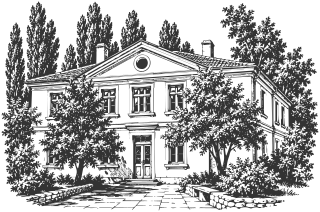
      An Ottoman mineral bath from 1566; the year is spelled out in red brick on the façade. The municipality calls it the oldest preserved Ottoman public bath in Bulgaria. It worked for more than 400 years, until 1992, and it is one of the few Ottoman buildings in Kyustendil that survived the 1950s.

      Read about this sight →Show on map

    5. 29 Alay Bath

      Mineral water · Kyustendil town

      A small mineral bath at 22 Han Krum St., built on the foundations of an Ottoman bath. It was restored in 1912-1914 and rebuilt into its present form in 1928. It is also called the Soldiers' Bath. The municipality lists it as a recovery center with a sauna, a pool, and massage, and municipal orders document seasonal operation of the outdoor pool in 2020 and 2023.

      • Approximate time at the site: 20 min

      Read about this sight →Show on map

    6. Other municipalities in the province

    7. 49 Mineral Water near Chetirtsi

      Mineral water · Chetirtsi · Other municipalities in the province · Nevestino Municipality

      A mineral-water borehole is documented in Topilata locality near Chetirtsi. Lazar Berov and Pavel Pentchev of the University of Mining and Geology reported 24 °C for this water source in 2014, distinguishing it from neighboring Barishteto.

      • No separate on-site estimate

      Read about this sight →Show on map

    8. 54 Sapareva Banya Geyser

      Mineral water · Sapareva Banya · Other municipalities in the province · Sapareva Banya Municipality

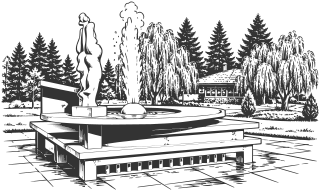
      The geyser fountain is Sapareva Banya’s thermal landmark. Hot water was discovered during drilling in 1957, and the municipality gives a source temperature of 103 °C. The fountain, steam, and neighboring sculpture form a stopping point for a short walk in the center.

      • No separate on-site estimate

      Read about this sight →Show on map

    Photos from Wikimedia Commons. Their authors and licenses are listed on each sight’s page.

    Drawings are illustrations for orientation; photographs document the sights at the stated date. Drawing credits and reuse terms are listed on the About page.